



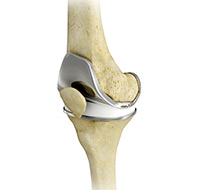
Knee replacement is one of the most effective treatments for advanced knee arthritis, but it is rarely the first line of treatment. Most patients go through a period of non-surgical management before surgery is even considered.
Signs Your Knee Pain May Need More Than Medication
- Pain that persists despite medication, physiotherapy, and weight management
- Stiffness that limits daily activities like climbing stairs or sitting on the floor
- Knee pain that wakes you up at night
- Visible deformity or a bow-legged/knock-kneed appearance
- X-rays showing bone-on-bone contact due to cartilage loss
Non-Surgical Options First
Before surgery is recommended, most patients try a combination of physiotherapy, weight optimization, activity modification, anti-inflammatory medication, and sometimes injections (such as viscosupplementation or PRP). These can be very effective in early to moderate arthritis.
When Replacement Becomes the Right Option
When conservative treatment no longer provides meaningful relief and quality of life is significantly affected — difficulty walking, disturbed sleep, inability to do daily activities — knee replacement surgery is usually discussed. Modern knee replacement, including robotic-assisted and minimally invasive techniques, offers excellent, long-lasting outcomes with faster recovery than traditional approaches.
What to Expect
A knee replacement involves resurfacing the damaged joint with an implant that replicates natural knee movement. Most patients are walking with support within a day of surgery and can resume most daily activities within 6 weeks, with continued improvement over the following months.
Talk to a Specialist
The decision to proceed with knee replacement is a personal one, made together with your surgeon based on your pain levels, X-ray findings, and how much your daily life is affected. If conservative treatment isn't giving you the relief you need, it's worth having that conversation.