



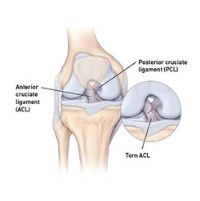
The anterior cruciate ligament (ACL) is one of the key ligaments that stabilizes the knee joint, connecting the thigh bone (femur) to the shin bone (tibia). It is also one of the most frequently injured ligaments, particularly in athletes who play sports involving sudden stops, pivots, or changes in direction such as football, basketball, and badminton.
What Causes an ACL Tear?
ACL injuries usually happen during activities that involve a sudden change of direction, awkward landing from a jump, sudden stop, or direct collision — such as a tackle during football. Non-contact injuries are actually more common than contact injuries, often occurring when the foot is planted and the knee twists.
Common Symptoms
- A loud "pop" sound at the time of injury
- Severe pain and inability to continue the activity
- Rapid swelling within the first few hours
- A feeling of instability or the knee "giving way"
- Loss of full range of motion
Diagnosis
A thorough clinical examination combined with an MRI scan usually confirms an ACL tear and helps assess whether other structures, such as the meniscus or collateral ligaments, are also involved.
Treatment Options
Not every ACL tear requires surgery. For patients with a low activity demand and no instability, a structured physiotherapy program can be effective. However, for young, active individuals — particularly athletes who wish to return to pivoting sports — ACL reconstruction surgery is usually recommended to restore stability and prevent further damage to the knee, such as meniscus tears or early arthritis.
ACL reconstruction is performed arthroscopically (keyhole surgery) using a graft, followed by a structured rehabilitation program that typically allows return to sport within 6 to 9 months.
When Should You See a Specialist?
If you have experienced a knee injury with swelling, instability, or difficulty bearing weight, it is important to get it evaluated promptly. Early diagnosis and the right treatment plan make a significant difference to long-term knee health.