



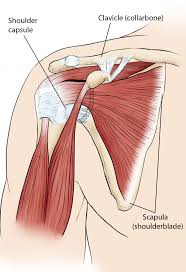
Frozen shoulder, medically known as adhesive capsulitis, is a condition where the shoulder capsule thickens and tightens, causing pain and a progressive loss of movement. It is more common in people between 40 and 60 years of age, and in those with diabetes or thyroid disorders.
What Causes Frozen Shoulder?
In many cases, there is no clear triggering event — it develops gradually. It can also follow a period of shoulder immobility, such as after an injury, surgery, or a prolonged illness. Diabetics are particularly prone to developing frozen shoulder.
The Three Stages
- Freezing stage: Gradually increasing pain, with movement becoming more limited. This can last several weeks to months.
- Frozen stage: Pain may lessen but stiffness remains severe, making daily tasks like reaching overhead or behind the back difficult.
- Thawing stage: Movement gradually improves over several months, though full recovery can take up to 1–2 years in some cases.
Treatment Options
Most cases of frozen shoulder improve with structured, consistent treatment:
- Physiotherapy with targeted stretching exercises
- Anti-inflammatory medication for pain relief
- Corticosteroid injections, particularly in the freezing stage
- In persistent or resistant cases: manipulation under anesthesia or arthroscopic capsular release
Why Early Treatment Matters
While frozen shoulder often resolves on its own eventually, early and consistent treatment can significantly shorten the painful phase and help preserve movement sooner. If you're noticing increasing shoulder stiffness that's affecting your daily activities, it's worth getting it assessed rather than waiting it out.